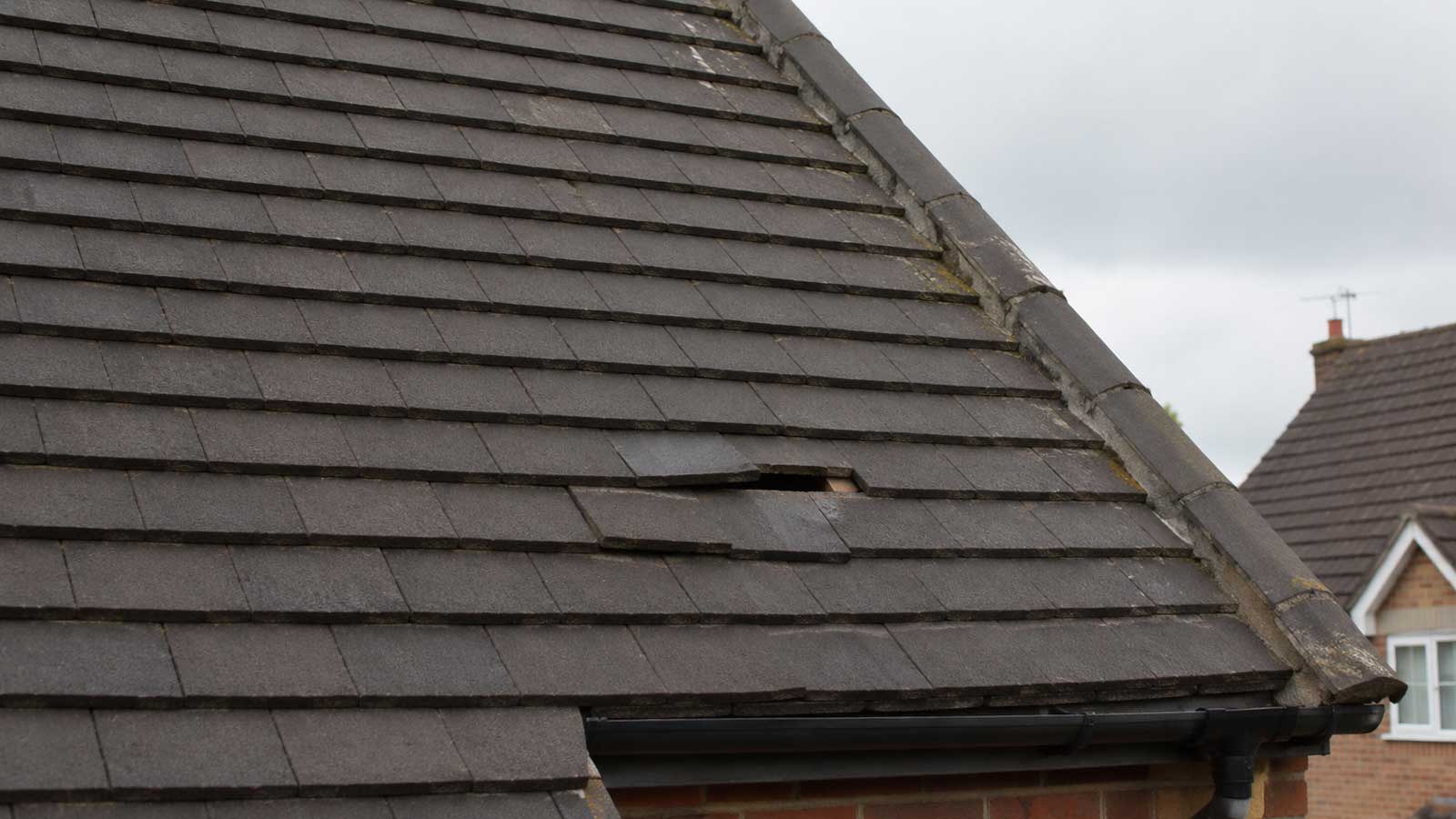
Older roofs have a repair history
A long-established slate roof may contain original slates, reclaimed replacements, hooks, copper tabs and newer repairs. That mixture is not automatically a problem. What matters is whether the slates remain secure and properly lapped.
Historic England records surviving nineteenth-century workers' terraces in Blackburn, including stone-built cottages at Mile End Row. Slate also appears on listed buildings in the town. Older housing therefore brings a genuine mix of traditional materials rather than a single standard roof type.
Nail sickness and individual failures
On old slate roofs, corroded nails can allow otherwise serviceable slates to slip. One or two can be re-fixed. If slips are happening across the slope, inspect how widespread the fixing failure has become.
The slate itself may still be sound even when the original nail is not.
Photograph the area before work starts if you can do so from a safe position. It gives you something concrete to compare with the finished repair.
Keep the courses lying flat
Replacement slates need suitable size and thickness. A thick piece in a thin old roof lifts the course above and can open gaps. Headlap and side lap need maintaining.
Where reclaimed slate is used, it should be sound enough for continued service rather than selected purely for colour.
Chimneys and terraces
Terraced roofs often contain chimneys, party-wall junctions and details shared visually with adjoining roofs. Be clear which stack and slope a repair concerns.
High-resolution photographs from safe access help avoid disagreements and provide a record of which pieces were changed.
Need somebody to look at the roof?
If you want to ask local contractors about the repair, describe the symptom and include anything you have noticed about the weather or the part of the roof involved.
Request roofing quotesQuote requests are provided by MyJobQuote, an independent third-party service.